
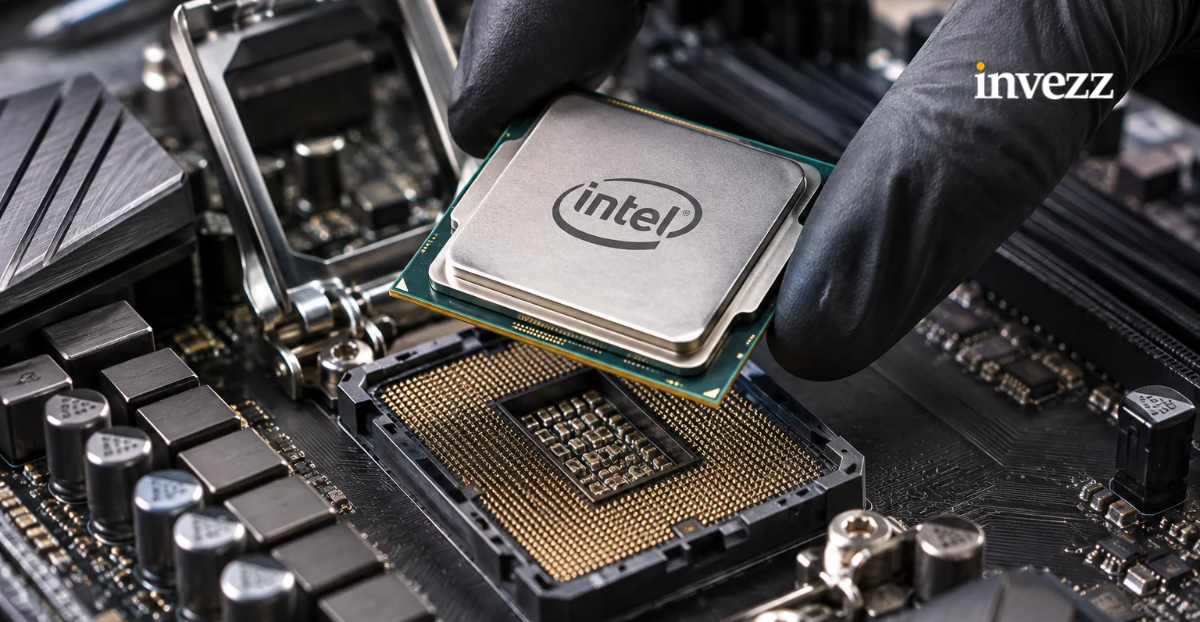
Billionaire tech investor Chase Coleman’s investment firm Tiger Global cut its stakes in Amazon, Meta Platforms, and Taiwan Semiconductor in Q3 while adding shares of three AI chipmakers.
Nvidia climbed to the top of its disclosed holdings, Cerebras Systems posted the biggest percentage increase of the three, and Intel gave the firm a larger stake in a manufacturing turnaround.
Together, the purchases give Tiger Global exposure to three different sources of AI spending.
Nvidia becomes Tiger Global’s largest disclosed holding
According to the Nov. 16 filing, Tiger Global added about 801,000 Nvidia shares, bringing its stake to 12 million shares, worth $2.74 billion at the end of calendar Q3.
NVDA now makes up 13.6% of the firm’s disclosed holdings by value.
Nvidia’s latest financials show the growth behind that position. Sales more than doubled to nearly $116 billion in its fiscal third quarter, with some $108 billion coming from the data center business.
NVDA also said it had started shipping its Vera Rubin NVL72 systems.
The rollout equips it with an opportunity to sell customers a larger share of the equipment in each data center – including the networking that lets accelerators work together.
That matters as cloud providers build their own chips. Even if they shift some workloads in-house, Nvidia can still grow sales by supplying more of the infrastructure for the workloads it keeps.
Cerebras puts a price on faster AI responses
Tiger Global increased its Cerebras share count by 48.3% to 4.45 million. The company specializes in fast inference, the computing that happens when an AI model answers a prompt.
Speed becomes more valuable when an AI agent has to make “several” model calls to complete a single task. Each response can determine what the agent does next, so delays can add up.
Cerebras’ latest earnings report showed how quickly customers are taking up its cloud offering.
Q3 cloud and other services revenue more than tripled to nearly $142 million, helping boost overall GAAP revenue by 55% year-over-year.
The company still posted an operating loss larger than its quarterly sales, though. The test for CBRS is whether it can fill enough of the computing capacity it’s adding to make that growth profitable.
Why did Tiger Global load up on Intel stock?
Tiger Global raised its Intel stake by 30.4% to 5.54 million shares. INTC’s latest results show why the server business deserves attention on its own.
Data center and AI revenue came in up 78% to $7.3 billion in the third fiscal quarter – while client computing and physical AI revenue fell 5%.
As AI agents take on more tasks, server CPUs help coordinate steps such as retrieving data and calling external tools, creating demand alongside the accelerators that run the models.
The foundry business has a separate test. CEO Lip-Bu Tan said this month that Intel had signed its first external customer for its advanced 18A-P manufacturing process.
Intel’s foundry recorded a $1.85 billion quarterly operating loss.
The financial payoff will depend on whether Intel can turn early signings into enough production volume to keep its factories busier and spread its costs across more chips.
AI disclosure: AI tools assisted with research and drafting of this piece. An Invezz editor reviewed the facts, sources and wording before publication. Any opinions or analysis are Invezz’s, not those of an automated system.
The post Billionaire Chase Coleman has been buying these 3 AI stocks appeared first on Invezz
