
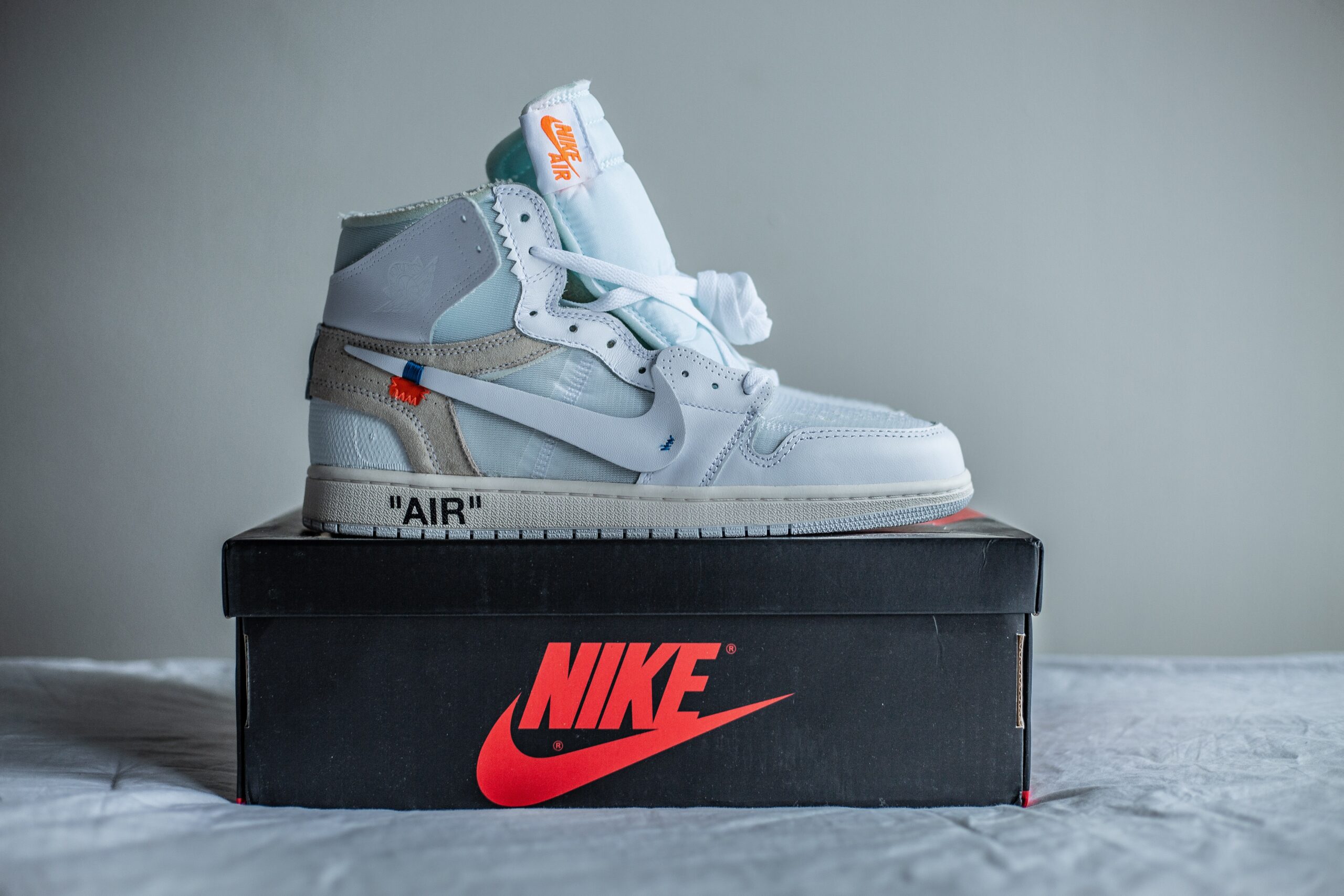
Nike enters earnings with its shares near a 12-year low and Wall Street unwilling to give the turnaround the benefit of the doubt.
The stock closed Friday at $35.75, down 44% this year, after Bank of America became the latest brokerage to warn that the recovery could take longer than investors expect.
Nike reports fiscal first-quarter results after Thursday’s market close, with Wall Street looking for $0.44 in earnings per share and $11.35 billion in revenue.
The bigger test now really is whether CEO Elliott Hill can show that improved distribution and new products are finally reaching consumers.
Wall Street no longer trusts the timetable
Bank of America’s downgrade crystallised the change in sentiment.
The bank cut Nike to Underperform from Neutral and slashed its price target to $30 from $47, while pushing its expected sales recovery into fiscal 2028.
“We are less confident that Nike’s marketplace cleanup can support the recovery embedded in consensus expectations,” analyst Lorraine Hutchinson wrote in a note carried by Yahoo Finance.
BofA now expects negative sales growth through fiscal 2027 and says North American wholesale is one of the clearest risks.
Nike has improved sell-in to retailers, but consumer sell-through has lagged, raising the possibility that future orders weaken if shelves do not clear fast enough.
China adds pressure. BofA highlighted softer sportswear demand, intense competition and promotional pressure as Nike reduces online partner distribution.
The distinction is becoming harder to ignore as getting more Nike product into stores is not the same as getting consumers to buy it.
Nike needs consumers to want the product again
Nike can manage inventory, rebuild wholesale relationships and cut costs, but a durable recovery still depends on product heat.
Needham analyst Tom Nikic offered the bluntest version of that problem last week.
“Demand trends remain soft, inventory levels remain high, promotional activity remains intense, and competitive dynamics remain unfavorable,” he wrote in commentary.
Needham maintained its Hold rating and lowered its fiscal 2027 and 2028 earnings estimates. Nikic also pointed to weak US back-to-school demand and problems with Chinese wholesale partners.
That makes Thursday’s discussion of innovation unusually important. Hill has been trying to reduce Nike’s dependence on ageing lifestyle franchises while restoring its authority in running and performance categories.
The competitive backdrop remains unforgiving. On and Hoka have built momentum in running, while consumers have more credible alternatives than during earlier Nike cycles.
Nike’s central problem is shifting from inventory cleanup to relevance, as investors need evidence that new products are creating demand rather than merely replacing older stock.
Innovation remains the bull case
Not every analyst believes the turnaround is broken, as BTIG analyst Robert Drbul reiterated a Buy rating and $55 target last week, arguing that product renewal could change the market’s view.
“Product innovation represents one of the most important catalysts for share price recovery,” he told TipRanks.
Drbul expects about $11.4 billion of quarterly revenue and $0.44 of earnings per share, but even his bullish case requires patience.
Nike has said the first full season of product created under its reorganised sports-focused structure will reach the market in spring 2027.
That means Thursday’s report may provide more evidence about direction than a completed recovery.
Investors will be listening for North American sell-through, China trends, promotional activity, gross margins and the 2027 product pipeline.
Expectations are low enough to make the reaction volatile. Options markets are pricing an earnings move of roughly 8.3% in either direction.
The post Nike stock is near a 12-year low: here’s why earnings could change the story appeared first on Invezz
